
ASK
ME

REGISTER
NOW
Email: tuyensinhhanoi@fpt.edu.vn - Hanoi
Overview
FPT University is a private Vietnamese university founded in 2006 and operated by FPT Corporation, one of Vietnam’s largest technology and telecommunications conglomerates. It was the first private university established by an enterprise in Vietnam and has since expanded to multiple campuses including Hanoi, Ho Chi Minh City, Da Nang, C?n Tho, and Quy Nhon. The university focuses on education closely linked with enterprise needs, emphasizing practical skills, industry relevance, and global competencies for its students.
FPT University offers a wide range of undergraduate and postgraduate programs in fields such as Information Technology, Business Administration, English Language, and other languages, with a curriculum designed to meet international technology standards and prepare graduates for the demands of both domestic and global job markets.
Key Strengths of FPT University:
Industry orientation and practical training: FPT programs are designed to match real enterprise demands, including extensive on-the-job training and internships that help students gain hands-on experience before graduating.
Multidisciplinary academic offerings: FPT University covers diverse areas such as IT, business, languages (including English, Japanese, Korean), and multimedia, giving students multiple pathways for professional development.
Enterprise-backed education: As part of FPT Corporation, FPT gives students access to corporate networks, technology resources, and career opportunities within one of Vietnam’s most influential tech ecosystems.
Academic Calendars
The academic year at FPT University is divided into two semesters:
Spring Semester:
Nomination and Application Deadline: October - December
Semester Start: Early March
Semester End: Late June - Early July
Fall Semester:
Nomination and Application Deadline: April - June
Semester Start: Early September
Semester End: Late December - Early January
Orientation for international students is conducted a week before each semester, covering essential topics such as course registration, cultural adaptation, and campus facilities.

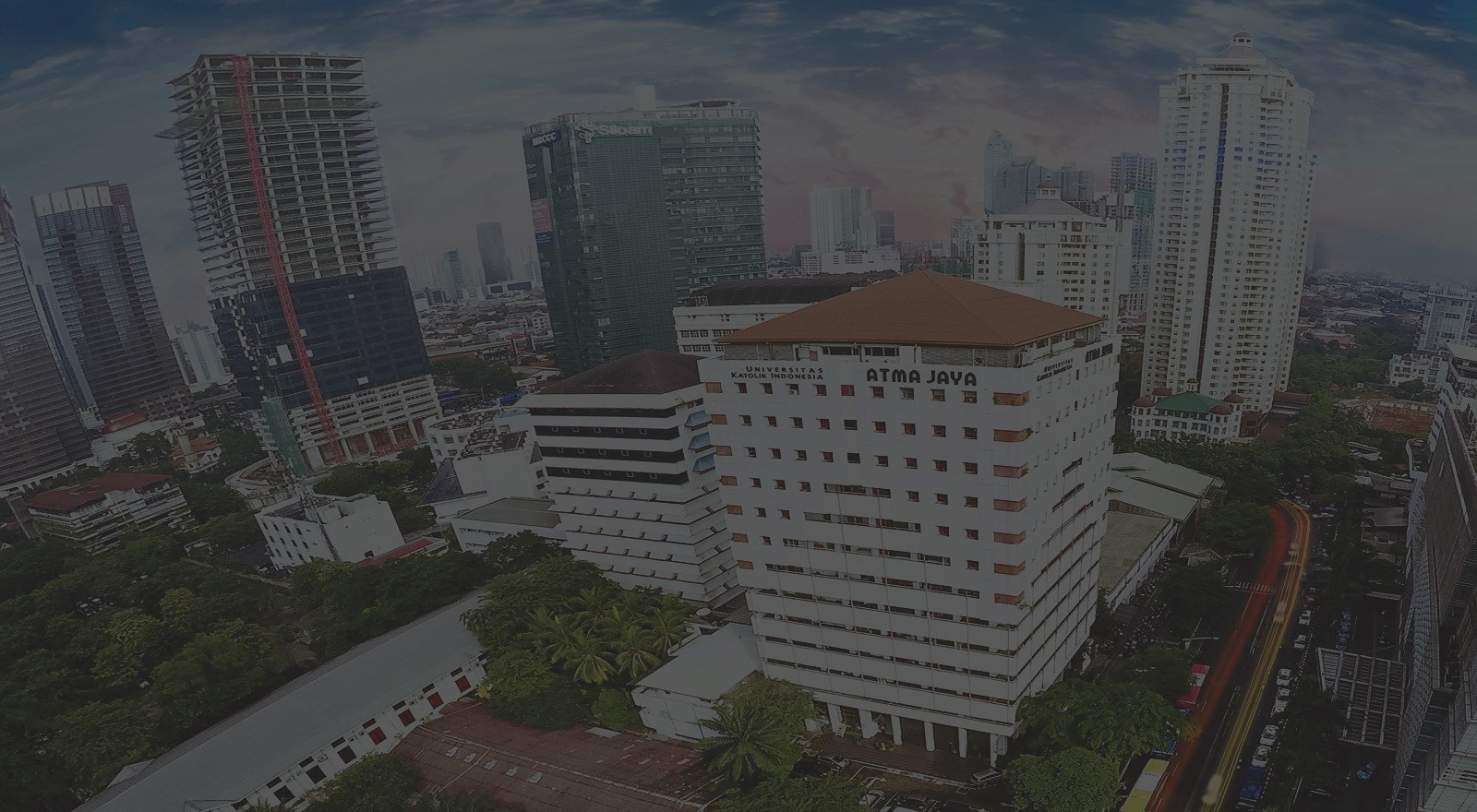
Jl. Jenderal Sudirman RT 02 RW 04 No. 51,
Karet Semanggi, Jakarta 12930
Whatsapp: +62 812-9898-8960
Telp. (62-21) 5727615, 5703306, 5708823
Ext. 356 (Operator), 123 (Informasi Pendaftaran Mahasiswa), 413 (Marketing), 359 (Admisi), 347 (Corcomm)
E-mail: corcomm@atmajaya.ac.id





Copyright © 2023 Unika Atma Jaya. All Rights Reserved.
Kebijakan Privasi